1 USD =
 1 GBP =
  1 CHF =
 ISO 9001:2015
Назад
Назад
BCCI Experts Participated in a Meeting on the "SoDi" Project Regarding the Implementation of Social Dialogue in the European Metal Sector
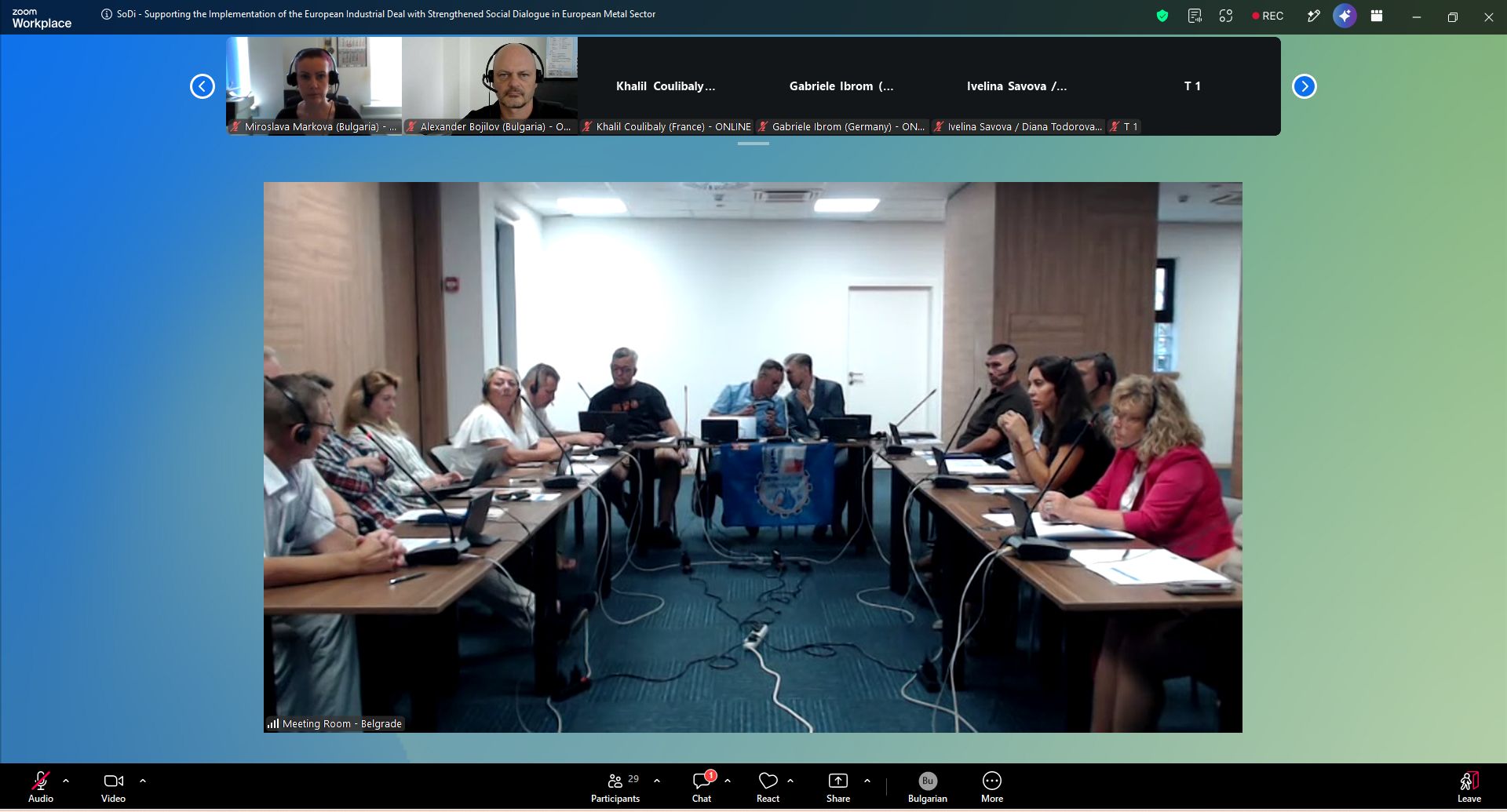
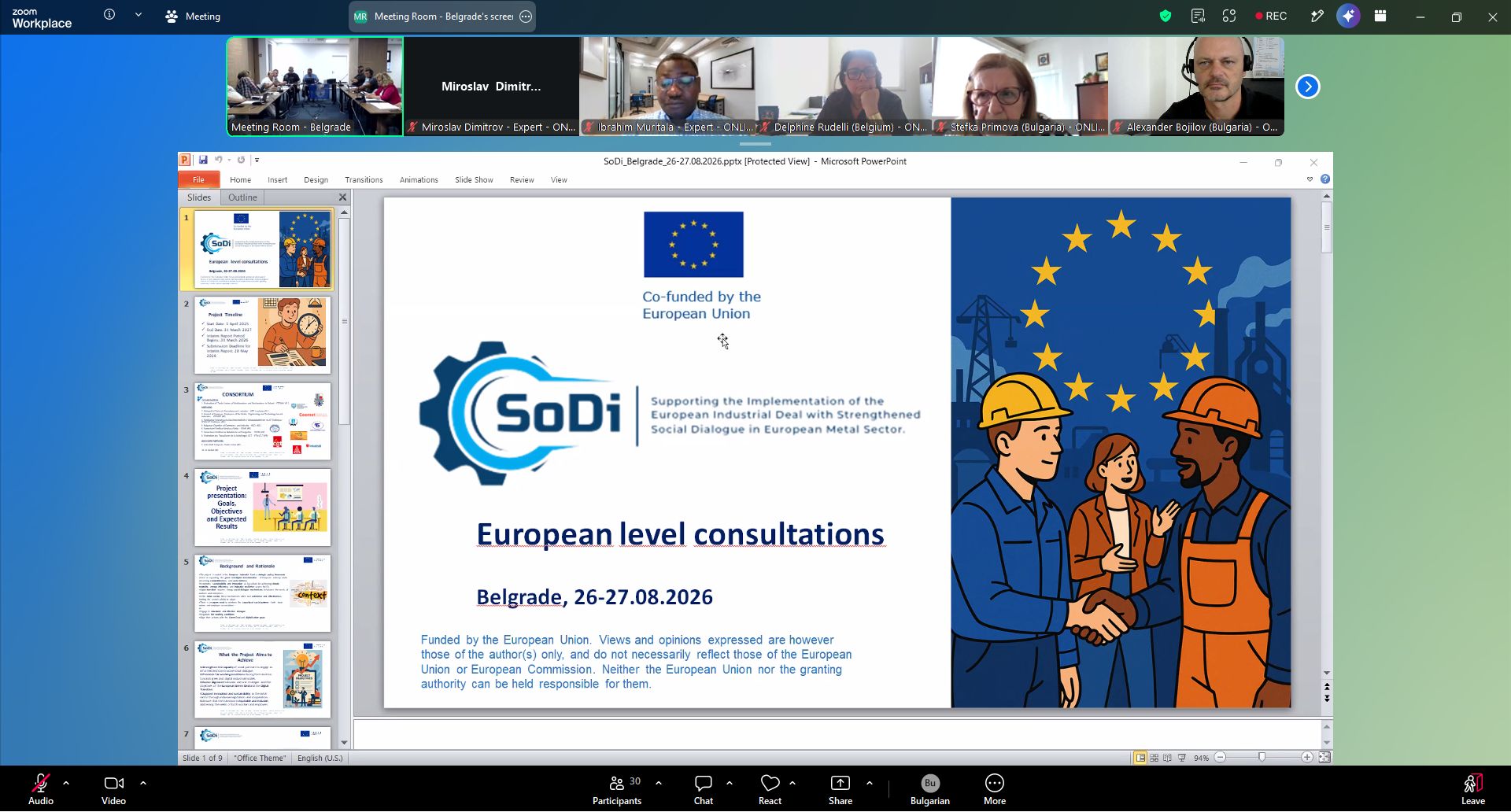
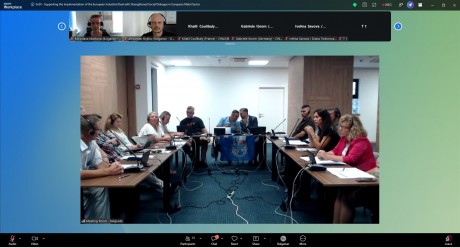
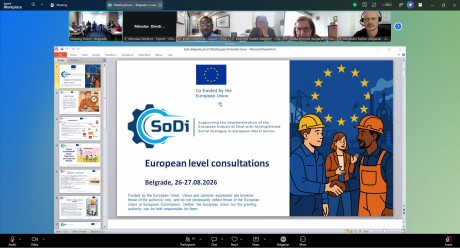
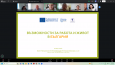
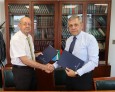
Social partners in the metal sector mapped out a framework for sustainable employment and industrial transformation in Belgrade on August 26 and 27, 2026. During the workshop, key two-day consultations took place at the European level under the international SoDi project.
The initiative aims to support the implementation of the European Industrial Deal through strengthened social dialogue in the Old Continent's metal sector. The event gathered trade union organizations, employer associations, and research institutes. Representatives from key national organizations from Poland (FZZMiH, MZPL), Serbia (SSMS), North Macedonia (SSERI), France (FTM-CGT), as well as European-level representation through CEEMET, actively participated in the discussions. The Bulgarian contribution was provided by experts from the Trade Union Federation of Machinists and Metallurgists (TUFM) affiliated with CL "Podkrepa" and experts from the Bulgarian Chamber of Commerce and Industry (BCCI).
Digital and Green Transition Under the Microscope
On the first day of the meeting, moderator Dominik Owczarek presented the current developments and the next strategic steps for the SoDi project consortium. Discussions were supported by expert reports—Dr. Eng. Ibrahim shared key insights from the experience and specifics of the regional metal sector, while Predrag Bejaković outlined the European framework and leading priorities for worker protection at the EU level.
A primary focus was placed on presenting the draft policy recommendations at the European level. Their objective is to ensure sustainable and quality employment in metalworking and metallurgy amid the challenges posed by decarbonization and accelerated digitalization. Participants divided into working groups to analyze in detail the positions and reactions of both employees and employers.
Action Plan for Job Quality
The second day was marked by constructive consultative sessions aimed at striking a balance between industrial competitiveness and social fairness. Social partners defended their positions on the proposed policy framework and identified the main barriers to its effective implementation.
Special attention was given to the development of an Action Plan for Quality of Employment during the implementation of the European Green Deal.
At the end of the day, under the guidance of Predrag Bejaković, feedback was gathered from stakeholders regarding the prepared draft Regulatory Impact Assessment (RIA), concluding the forum's work.
The findings from the Belgrade meeting decisively confirm that structured and early social dialogue is an essential prerequisite for a successful and just industrial transformation in Europe.
03.09.2026
Още новини:



Видео: